
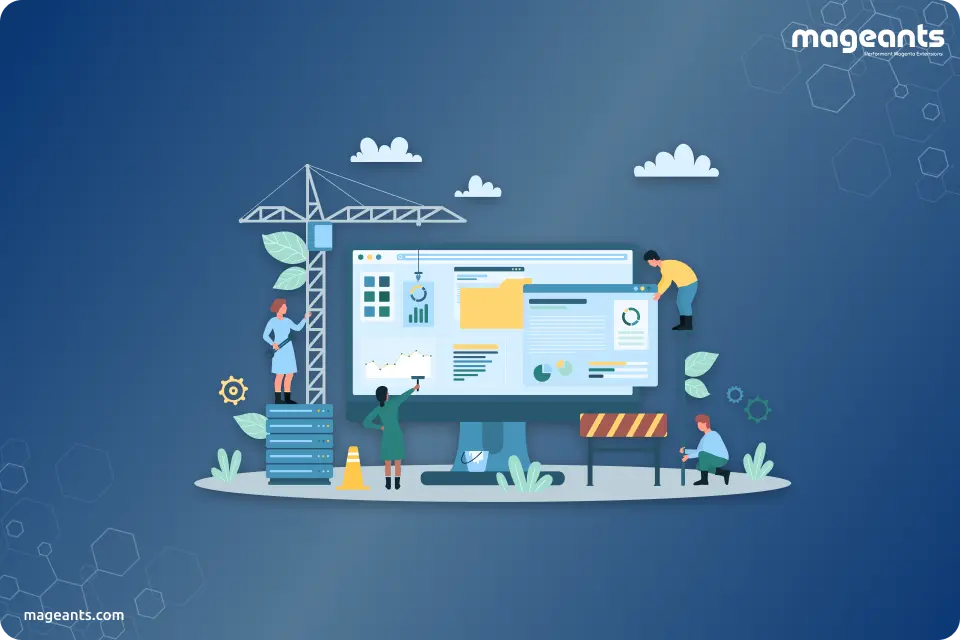
Maintaining a website is not a one-time task — it is a continuous process that evolves alongside technology, user behavior, and security threats. From safeguarding against cyberattacks to ensuring fast performance and seamless user experiences, website maintenance presents several ongoing challenges.
This guide highlights the top 10 website maintenance challenges, explains common issues businesses face, and provides practical strategies to effectively overcome them.
Challenge 1: Security Risks
The Problem
Cyber threats remain one of the biggest concerns for website owners. Malware attacks, unauthorized access, and data breaches can severely damage a business’s reputation, compromise sensitive data, and result in financial losses.
The Solution
To strengthen website security:
- Keep your CMS, plugins, and software updated regularly
- Implement a Web Application Firewall (WAF) to block malicious attacks
- Enforce strong password policies and enable two-factor authentication (2FA)
- Perform routine malware scans and security audits
Proactive security practices help prevent threats before they impact your website.


Challenge 2: Downtime and Hosting Problems
The Problem
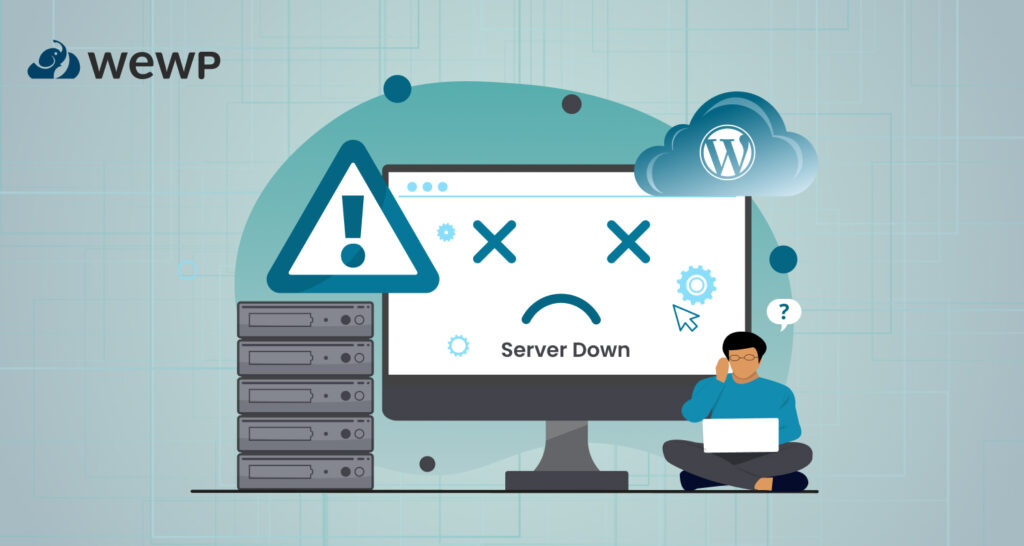
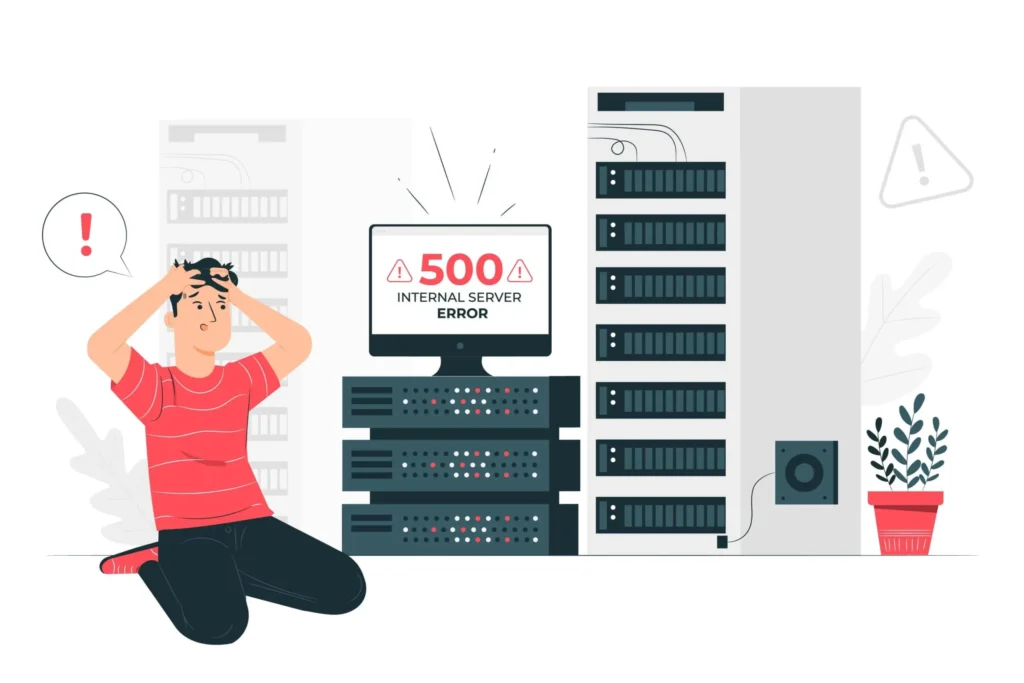
Unexpected website downtime can frustrate visitors and lead to lost revenue and traffic. Server failures, poor hosting infrastructure, or resource overloads often cause outages.
The Solution
To minimize downtime:
- Select a reliable hosting provider with strong uptime guarantees
- Monitor uptime using tools such as Pingdom or UptimeRobot
- Optimize server performance through caching and resource management
- Avoid overloading servers with unnecessary plugins or scripts
Proactive security practices help prevent threats before they impact your website.
Challenge 3: Slow Website Performance
The Problem
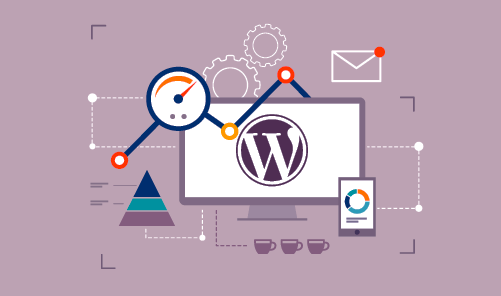
Slow-loading websites negatively impact user experience and search engine rankings. Visitors are more likely to leave if pages take too long to load.
The Solution
Improve website speed by:
- Using a Content Delivery Network (CDN) to distribute content efficiently
- Compressing and optimizing images and videos
- Minifying CSS, JavaScript, and HTML files
- Removing unnecessary scripts and large media files
Faster loading speeds improve engagement and SEO performance.
Challenge 4: Broken Links and 404 Errors
The Problem
Broken links create navigation problems and reduce user trust. They also negatively impact SEO performance and website credibility.
The Solution
To prevent broken links:
- Use automated link-checking tools to identify errors
- Set up 301 redirects to guide users to relevant pages
- Perform regular content audits to remove outdated links
Maintaining functional links keeps user journeys smooth and improves search rankings.

Challenge 5: Browser and Device Compatibility
The Problem
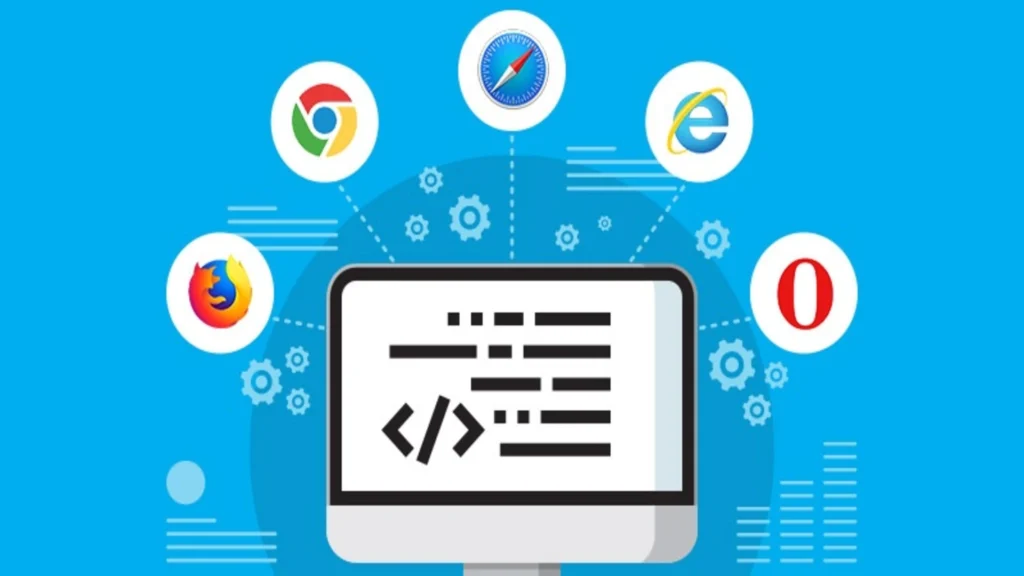
Users access websites from various browsers, screen sizes, and devices. Ensuring consistent performance across all platforms can be challenging.
The Solution
To minimize downtime:
- Using responsive design frameworks
- Testing websites across multiple browsers and devices
- Optimizing mobile performance by reducing heavy scripts
- Designing touch-friendly navigation and layouts
Cross-platform optimization ensures a consistent user experience.

Challenge 6: Outdated Content and Design
The Problem
Old content and outdated design can reduce credibility and user engagement. Visitors expect fresh information and modern visual experiences.
The Solution
Keep your website updated by:
- Creating a content update schedule
- Refreshing design elements using modular layouts
- Publishing blogs, news, and educational content regularly
- Using A/B testing to improve visual and content effectiveness
Updated content strengthens brand authority and user trust.


Challenge 7: Maintaining SEO Performance
The Problem
SEO requires continuous attention. Ignoring SEO maintenance can lead to lower search rankings and reduced organic traffic.
The Solution
Keep your website updated by:
- Tracking keyword rankings and adjusting strategies accordingly
- Identifying duplicate or low-quality content
- Optimizing meta titles, descriptions, and image alt text
- Performing regular SEO audits
Consistent SEO maintenance helps maintain strong online visibility.

Challenge 8: Improving User Experience (UX)
The Problem
User expectations change rapidly. Poor navigation, confusing layouts, and lack of accessibility can increase bounce rates and reduce engagement.
The Solution
Enhance user experience by:
- Conducting usability testing with real users
- Designing clear navigation menus and call-to-action buttons
- Following accessibility guidelines such as WCAG standards
- Simplifying user journeys and interaction flows
Better UX increases engagement and conversion rates.


Challenge 9: Database Performance Issues
The Problem
An overloaded or poorly structured database can slow down website performance, especially for content-heavy websites.
The Solution
Optimize database performance by:
- Removing unnecessary or outdated data
- Using database optimization tools and plugins
- Limiting automatic revisions and auto-save intervals
- Performing routine database cleanups
A well-maintained database improves website speed and efficiency.


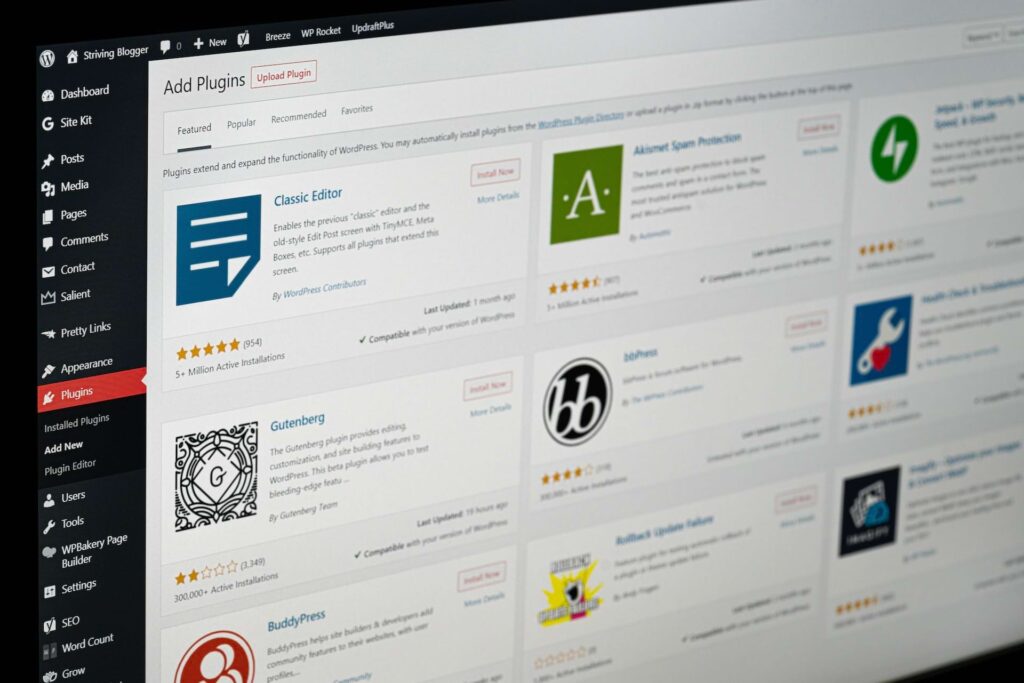
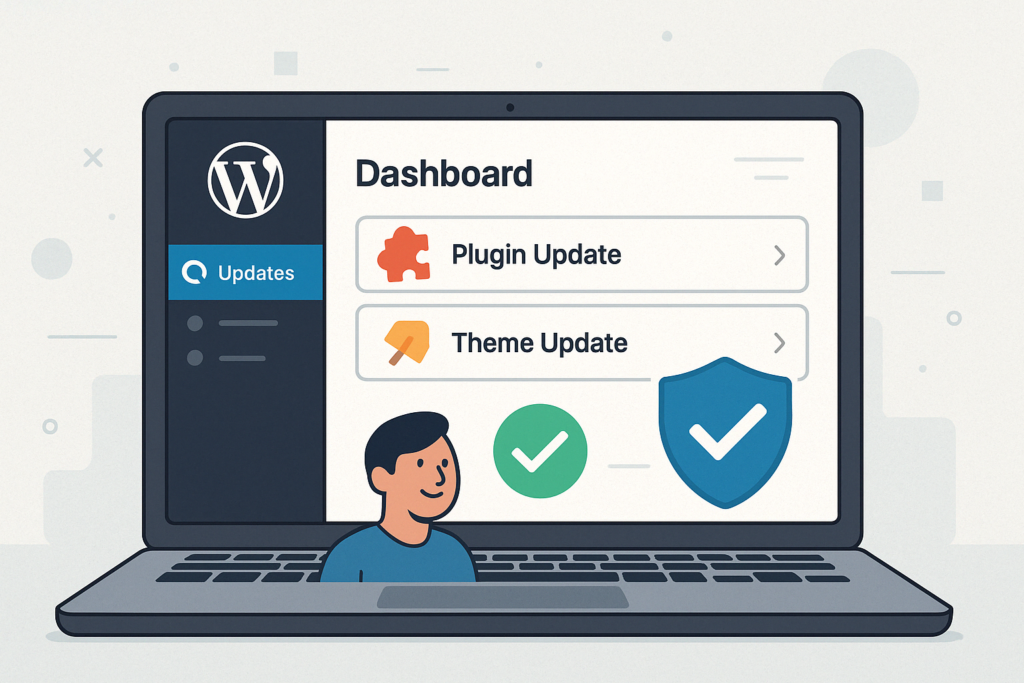
Challenge 10: Managing Plugin and Theme Updates
The Problem
Plugins and themes add valuable functionality but can cause conflicts or errors if not updated properly.
The Solution
Manage updates effectively by:
- Testing updates in a staging environment before applying them live
- Using only essential plugins to reduce conflicts
- Scheduling regular update checks
- Monitoring compatibility with CMS updates
Proper update management ensures stability and performance.
How Active Website Management Helps Solve These Challenges
Active Website Management (AWM) offers a comprehensive approach to handling ongoing maintenance tasks. Instead of reacting to issues, AWM focuses on proactive monitoring and optimization.
Security Monitoring
AWM continuously monitors vulnerabilities, applies security patches, and strengthens website protection.
Performance Optimization
By implementing caching, CDN management, and media optimization, AWM keeps websites running efficiently.
Content and SEO Support
Regular content updates and SEO audits ensure websites remain relevant and competitive.
Database and Plugin Management
AWM handles database optimization and plugin maintenance to prevent performance issues and conflicts.
Conclusion
Website maintenance involves multiple challenges that directly impact security, performance, and user satisfaction. Addressing these issues proactively ensures a reliable and high-performing website.
By understanding these common maintenance challenges and applying the solutions discussed, businesses can maintain strong digital platforms. Implementing Active Website Management allows organizations to focus on growth while ensuring their websites remain secure, optimized, and user-friendly.